With all the craziness going on in the world right now, I wanted to cover some helpful tips for preparing for a recession in 2025.
Now that doesn’t mean that there will be a recession BUT, it’s always better to be prepared than unprepared.
These money saving tips are helpful anytime of course, but especially right now with so much economic uncertainty.
I will also mention that I am in the United States of America. Even if you aren’t, you should still be prepared.
It seems as though we are going to upend world order and rock the global economy so, everyone should be prepared to a certain extent. At least mentally preparing for some of those what ifs.
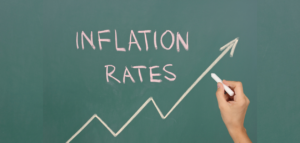
With all the talk about market volatility, inflation rates, and job market resilience, it’s hard not to worry a bit about financial stability.
So, let’s talk about recession proofing our finances, including everything from beefing up our emergency funds, to diversifying our investment portfolios, and even the importance of keeping a good credit score.
It’s not just about weathering economic turmoil, but adopting money strategies like debt reduction, cost-cutting, and finding ways to generate passive income to ensure we’re not just surviving but thriving.
And let’s not forget about upskilling to enhance our job marketability. It’s very important to be proactive rather than reactive when it comes to money management.

Understanding Economic Indicators
Just the other day, I was sitting down with a friend who’s been incredibly anxious about the economy lately, especially with all the talk of a possible recession on the horizon for 2025.
Declaring an official recession dives deep into the economy and the outlook on things like – inflation rates, unemployment numbers, and GDP growth.
But that’s not the whole story.
They do tell us a story about where the economy might be heading though.
For instance, we looked at how rising inflation rates can eat into our buying power, making everything from groceries to gas more expensive. Which means you have less money to spend on impulse purchases, fun, and entertainment.

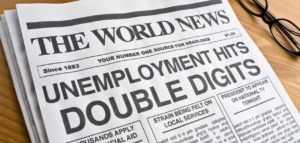
Rising unemployment could signal companies are struggling, potentially flagging a downturn.
And GDP growth – that’s the big picture of economic health. A slowdown there? Well, it might just mean we’re moving towards a tougher economic period.
Consumer spending is a key indicator of confidence in the economy, which in my experience has been one of the early signs of where the economy in general is heading.
It’s like putting together a puzzle – each piece, from inflation rates to GDP growth, fits together to give us a clearer picture of the economic landscape.
Understanding these indicators can help us prepare ourselves early for what might come, making sure we’re as recession-proof as possible.
Benefits of Early Preparation
When you start prepping beforehand, you will be way ahead of most people when the times comes.
You just never know what life will through at you, and you can’t control the economy or a recession.
But you can control how you prepare and what money strategies you implement now.
You can prepare by diversifing your portfolio, looking into updating your job skills, or finding passive income streams, which, can really boost your savings and job market versatility.
And it’s not just about the financial bits, like paying down debt or improving your credit score. It’s about peace of mind, knowing you’ve done your part to recession-proof your life.

Imagine, while others might start to panic as the market turns, you, my friend, could be standing on solid ground, thanks to your emergency fund and a savvy investment strategy.
It’s all about preparation, planning, and consistency.
When you start planning before panic sets in, you make better decisions for the long-term. When you are stressed, you have a tendency to make decisions based on short-term feelings.
When you implement these strategies, it’s part of an overall money strategy, not based on short-term gimmicks and panic.
This way, when everyone else is feeling the pinch of the economic downturn, you could be adjusting your asset allocation or revisiting your retirement planning with confidence, not fear.
So, yeah, the perks of buckling down early? Definitely worth it.
The Importance of a Realistic Budget
A realistic budget is the foundation of your money strategy.
So, if you are worried about a recession, then your budget is going to be the foundation for your plan.
A budget is just a plan for your money.
If you are worried about a job loss, inflation, or a decrease in available spending money, it’s important to start with the foundation of the money plan.
Start by cutting non-essential expenses; it’s like trimming the fat to ensure we’re lean and mean.

Look in to automating savings—kind of set it and forget it, ensuring a piece of every paycheck goes straight to your savings rate, building that emergency fund without a second thought.
And then, review those sneaky subscription services for possible cancellations.
It’s amazing how much you find when you dig into where your money’s going.
📌 How to Start a Budget + FREE Downloadable Guide

Strengthen Your Emergency Fund
It is incredibly crucial to have an emergency fund at all times, but especially in a recession.
It’s that safety net we all hear about but sometimes push to the back burner when times are good.
If you are worried about the economy, it’s even more important to build up your savings.
Make sure to keep it in a high-yield savings account for easy access and a tad more growth than the typical checking account.
A high-yield savings account is safer than the stock market and faster and easier to access.

For help building your savings check out these posts:
How I save $600 a month on Groceries
200 Easy Ways To Save Money Everyday
If you are worried about a recession, focus on saving money and paying off high interest debt first.

Debt Reduction Strategies
Paying off debt in any economy is important for your overall financial health. But if you are worried about a Trumpcession, then I would encourage you to save cash and then focus on high interest debt like credit cards.
Keep in mind that as you pay off the credit cards, it frees up your available balance to be used in the future if needed. We of course don’t want to have to use credit cards for living expenses, but if times get REALLY tough, you want to keep all your options available.
Start paying off debt by –
- Listing all of your debts from the highest interest rate down to the lowest.
- Make more than the minimum payments on ONE of the high-interest debts while keeping up with the minimum on the others.
- Consolidate some of your higher-interest debts into a lower interest loan to ease the burden a bit. This strategy should only be implemented IF you are changing your behavior and the fees will be less than the interest paid. For most people this won’t help you overall.

And you know, with all the talk about recession proofing, emergency fund building, and diversifying your portfolio, it just makes sense to also focus on cutting down costs wherever possible and learning to budget effectively.
And let me just say, the impact? It’s like feeling you’re getting ahead of the game. It builds your confidence with money and when things start to shift, you already know what to do.
Focusing on debt reduction now is a key part of your financial journey, as well as keeping that credit score healthy and savings rate climbing.
Debt is risk and if you are worried about a cut in income, your debt can push you over the edge of having enough to do around.
The less debt you have, the less risk you have.

10 Mistakes to Avoid While Paying Off Debt
10 Ways to Reset Your Money Mindset So You Can Pay Off Debt FAST!
Paying off debt will lower your stress level and make it easier to weather financial storms.
Ways to Diversify Your Income
So, let’s dive into this idea of diversifying your income. I mean, with talks of a 2025 recession, it’s got a lot of us thinking, right? How do we recession-proof our finances?
Well, one thing I’ve been exploring deeply is this whole notion of creating multiple income streams. It’s like, you don’t want all your eggs in one basket, especially when the job market’s resilience is, let’s just say, a bit questionable.
First off, passive income ideas have been a game changer for me.
Imagine earning without the 9-5 grind – sounds sweet, doesn’t it? And then, there’s the gig economy, offering side gigs that can surprisingly beef up your savings rate.
It’s not just about having a fallback; it’s about making strategic moves now to ensure financial stability and flexibility.
Trust me, diversifying your income could very well be the life raft we all need come 2025.
11 Surprising Ways to Make Money with Facebook
The Best Side Hustles You Can Start With No Money

Enhancing Job Security
Part of the concern about a recession is losing your job, especially when a lot of others are losing theirs at the same time. Making yourself indispensable at work and attractive to future employers is key.
The first step, is upskilling. the more skills you have can help you quickly move to another job when needed.
A diversified skill set can really bolster job market resilience.
Then there’s networking – not just the add-everyone-on-LinkedIn kind, but meaningful, genuine connections.

It’s those connections that can open doors you didn’t even know existed. Your network can help you find new opportunities quickly and skip a lot of the headache of job searching.
Being proactive about enhancing our job security through upskilling and networking isn’t just smart; it is essential.

Investing During Uncertain Times
Now you may be thinking about what to do with your 401(k) or other investments since the economy sees so uncertain right now. It’s something I’ve been thinking about a lot lately, too.
The key here is diving into counter-cyclical investments.
These are basically moves that tend to zig when the market zags, offering some balance to your portfolio in times of market volatility.
How do you do it? Well, it’s about adjusting your asset allocation to include sectors that historically perform well or remain stable during tough times.
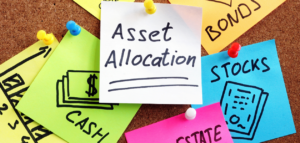
This isn’t about haphazardly jumping ship from your current strategy, but more about thoughtful risk management.
Diversifying your portfolio, increasing your savings rate, and really honing in on your debt reduction can make your financial standing more robust.
And, let’s not forget about keeping that credit score shiny; it plays a big part in financial stability.
By taking these steps, we’re not just bracing for impact; we’re setting ourselves up to potentially thrive, turning an economic downturn into an opportunity for growth.

The Role of Credit During a Recession
It is crucial to have a good credit score, especially when things get tight.
By keeping your credit score in check, you can snag some lower interest rates on a refinancing debt if you need to.
Your credit isn’t just a number; it’s your lifeline in times of financial need.
With a solid score, you’re in a better spot to access loans or refinance existing debts, making it a tad easier to navigate things when you need the help.

Psychological Aspects of Financial Stress
When you aren’t sure what is going to happen with the economy, the financial stress can weigh heavily on us, impacting our mental health.
It’s crucial to recognize signs of stress and seek methods to cope, whether through budgeting more effectively, finding support groups, or possibly consulting with financial advisors.
These steps not only aid in managing financial pressures but also in preserving our overall well-being amid economic uncertainty.

Riding the Wave to Recovery
Embracing the right strategies for recession proof resilience isn’t just about surviving; it’s about leveraging opportunities for growth.
Building a robust emergency fund, mastering budgeting, and debt reduction, while also diversifying our income and portfolio, are more than just measures.
They’re steps towards financial stability and job market resilience.
Preparing now, understanding investment strategies, and maintaining a good credit score amidst economic downturns can help us not just navigate but thrive through the 2025 recession and beyond.
Let’s use this knowledge to upskill, create passive income, and ensure our savings rate keeps us steady through market volatility.