When money is tight, groceries are one of the first areas where you can save a lot of money fast.
You don’t have to overspend to feed your family well.
With a little strategy and an intentional shopping list, you can stock your pantry with cheap, filling, and versatile foods that help you cut down your spending, while still having a variety of meals.
📌 You don’t have to only eat beans and rice or chicken every night to save money.
In this post, you’ll find 40 of the cheapest grocery items to buy when you’re broke, plus practical money-saving tips to make your grocery budget go even further.
Why a Cheap Grocery List Matters
When you’re living paycheck to paycheck or trying to rebuild your finances, food can feel like one of the biggest expenses.
The good news? You can eat well for less with a little planning.
This is actually the fastest and easiest way to save money.
A list of affordable staples helps you:
- Reduce impulse buys
- Build meals around budget-friendly ingredients
- Stretch your food dollars longer
- Avoid expensive takeout or convenience food
You don’t have to sacrifice nutrition or taste. Let’ be real, seasonings and spices are cheap and make the dish come together.
You just need the right ingredients and a few smart habits.
Plus you can even more on staples by shopping in bulk at stores like Costco or BJ’s Warehouse.
🥔 Pantry Staples That Save You Money
These long-lasting pantry items form the foundation of cheap meals and stretch more expensive ingredients.
- Rice – A filling, versatile base for stir-fries, soups, or casseroles.
- Pasta – Pair with sauce, vegetables, or cheese for easy meals.
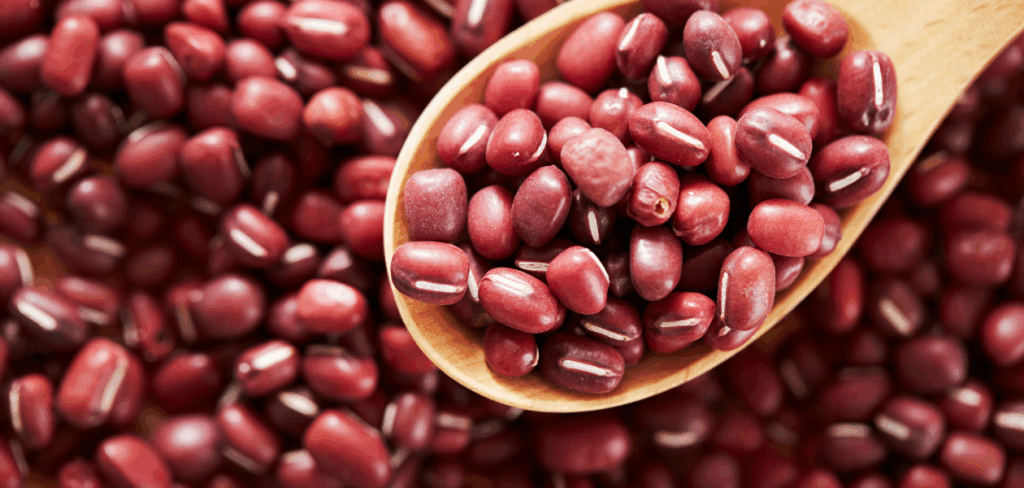
- Dried beans – Cheaper than canned, especially when bought in bulk.
- Lentils – Cook faster than beans and are great in soups or tacos.
- Oats – Perfect for breakfast or baking; buy in bulk to save.
- Flour – Use for bread, pancakes, muffins, and tortillas.
- Sugar – Essential for baking or sweetening homemade items.
- Salt & pepper – The cheapest way to make any meal taste better.
- Canned tomatoes – A base for soups, stews, or pasta sauces.
- Peanut butter – Protein-rich and shelf-stable; pairs with bread, oatmeal, or fruit.
💡 Coach Tip: Buy store brands instead of name brands. You’ll get nearly the same quality for a fraction of the price.
🥚 Cheap Protein Sources to Keep You Full
Protein keeps you full longer, and it doesn’t have to be expensive.
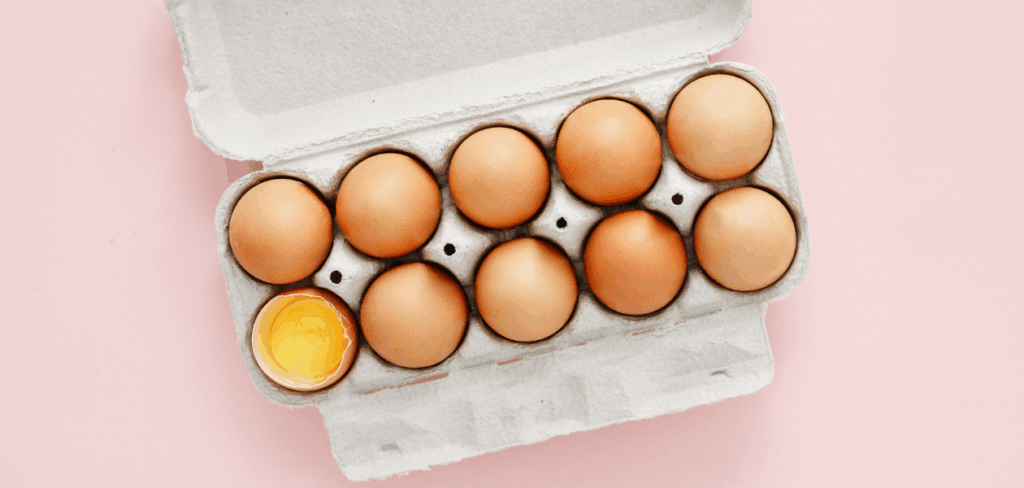
- Eggs – The ultimate budget-friendly protein; use for breakfast, baking, or dinner.
- Canned tuna or chicken – Great for sandwiches, casseroles, or wraps.
- Dried beans & lentils – Yes, they deserve another mention!
- Ground turkey or chicken – Usually cheaper than beef and works in the same recipes.
- Hot dogs or sausage – Not the healthiest, but affordable in moderation.
- Tofu – A low-cost, high-protein vegetarian option that takes on any flavor.
- Milk (or powdered milk) – Great for cooking, cereal, and baking.
- Greek yogurt (buy large tubs) – A protein-packed snack or breakfast base.
- Cottage cheese – Budget-friendly, filling, and high in protein.
- Canned beans – Quick, easy, and still inexpensive when you’re short on time.
💡 Coach Tip: Buy family packs of meat and divide into smaller portions to freeze. This lowers your cost per meal. I also do this with beans. I cook a big batch and then divide it to freeze.
🥦 Cheap Fruits and Vegetables That Go the Distance
Fresh produce can be pricey, but not all of it. These are the best budget-friendly options, especially in season.
- Bananas – Usually under $0.50 per pound. Perfect for snacks or smoothies.
- Carrots – Cheap, long-lasting, and versatile in soups or sides.
- Potatoes – One of the most filling, affordable foods available.
- Onions – Add flavor to almost anything for pennies.
- Cabbage – A hearty, low-cost vegetable that lasts for weeks.
- Apples – Often on sale; great for snacks and baking.
- Celery – Adds crunch to soups, stews, and salads.
- Spinach or kale (frozen) – Cheaper than fresh and lasts longer.
- Frozen mixed vegetables – Great for quick stir-fries, soups, or casseroles.
- Corn (frozen or canned) – Sweet, filling, and inexpensive.
💡 Coach Tip: Shop in-season produce or buy frozen to avoid waste and get more nutrients for your money.
🍞 Budget-Friendly Bread and Grains
Carbs are your friend when you’re broke, they fill you up and stretch meals further.
- Bread (store brand) – Use for sandwiches, toast, or breadcrumbs.
- Tortillas – Cheaper than sandwich bread and versatile for wraps or quesadillas.
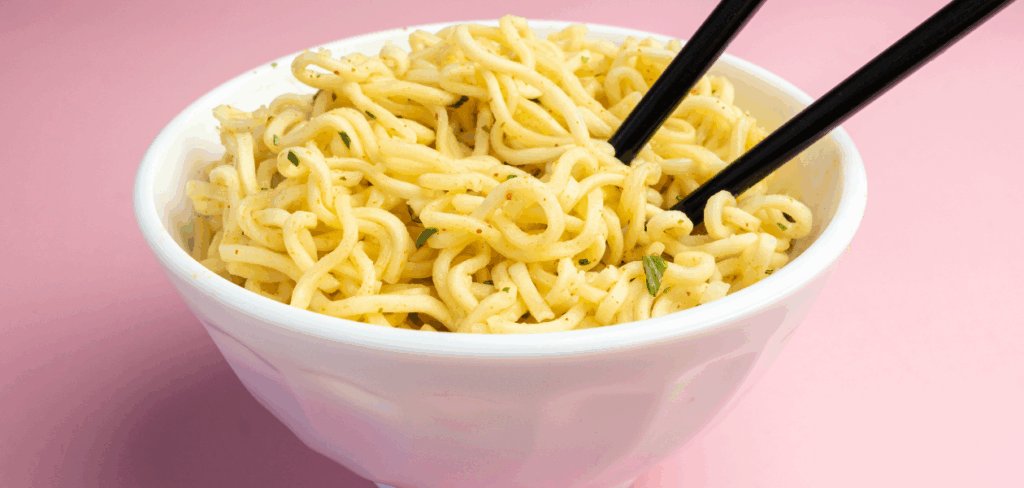
- Instant rice or ramen noodles – Not ideal daily, but handy in a pinch.
- Cornmeal – Great for cornbread, pancakes, or coating meats.
- Pancake mix – Cheap, filling, and can double as a base for waffles or muffins. Save even more by mixing it yourself.
💡 Money Tip: Make your own bread or tortillas at home—it’s easier (and cheaper) than you might think.
🧈 Budget Staples for Flavor and Cooking
These basics help you cook from scratch and save money on convenience foods.
- Cooking oil (vegetable or canola) – A must-have for frying or baking.
- Butter or margarine – Adds flavor to simple dishes.
- Chicken or beef bouillon cubes – Instant flavor boost for soups or rice. Plus it’s cheaper than buying stocks (and last longer).
- Canned soup – Great backup meal when the pantry is bare.
- Spices (bought in bulk or dollar store) – Transform simple ingredients into something delicious.
💡 Coach Tip: Keep a “flavor basket” of your go-to spices. Salt, pepper, garlic powder, onion powder, chili powder, and Italian seasoning can make any cheap meal taste better. I keep mine together to easily bring back and forth to the Blackstone.
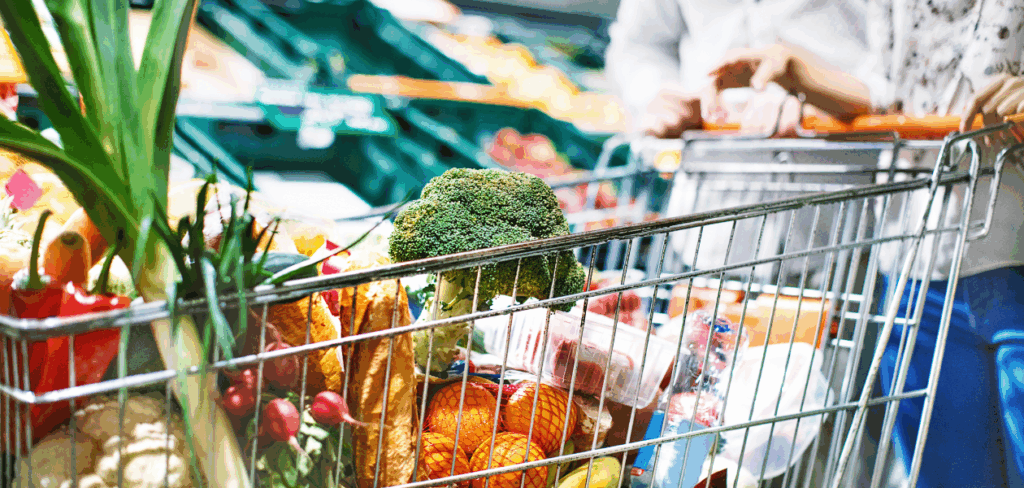
💰 Money-Saving Grocery Tips
Even with a cheap grocery list, your total can add up quickly if you’re not careful.
Here’s how to stretch it further:
1. Plan Before You Shop
Create a meal plan based on what’s on sale and what you already have. Use a budget grocery list so you don’t buy extras you don’t need. Be intentional BEFORE you head to the store.
You can also save time and money by doing a pick up order instead of shopping yourself.
2. Buy Store Brands
Store brands often come from the same manufacturers as name brands. You can save 20–30% instantly.

3. Shop Sales and Clearance
Check weekly ads, use apps like Ibotta or Fetch, and shop clearance racks for big discounts. Don’t be afraid to shop at different stores for different items. Just make sure to plan it out so you aren’t scrambling all over town.
4. Avoid Pre-Packaged Convenience Food
Shredded cheese, pre-cut veggies, and instant meals cost more per ounce. Do the prep yourself to save. Especially if you can prep and freeze items for when you need them.
5. Use Cash or a Set Spending Limit
Limiting yourself to cash or a prepaid grocery budget helps prevent overspending and impulse buys. Do not take a card into the store with you, so you are not tempted to use it anyway.
6. Shop with a Calculator
Use the calculator on your phone to keep track of how much you’ve spent BEFORE you check out.
📌 This will help you make mindful decisions in real time. Don’t be embarrassed to put stuff back, if it is more than you expected.
🧺 Example Cheap Meal Ideas
Here’s how to use these affordable groceries in real life:
- Egg Fried Rice – Use leftover rice, eggs, and frozen veggies.
- Vegetable Soup – Combine canned tomatoes, beans, onions, and carrots.
- PB & Banana Sandwich – Cheap, quick, and kid-approved.
- Bean Tacos – Use beans (black or pinto) instead of ground meat.
- Breakfast-for-Dinner – Pancakes, eggs, and potatoes are filling and cheap.
Want more cheap meal recipes? Check out the meal planning bundle.
It includes my family’s favorite cheap meals. 💜
🌟 Final Thoughts
Being broke doesn’t mean you have to go hungry — or live on ramen noodles.
With a shopping list, you can fill your pantry with cheap, nourishing foods that keep you full, save you money, and help you get back on track financially.
Start by buying a few of these 40 cheapest grocery items, plan simple meals around them, and focus on progress over perfection. Every small step counts toward a more confident, stress-free money life.
